
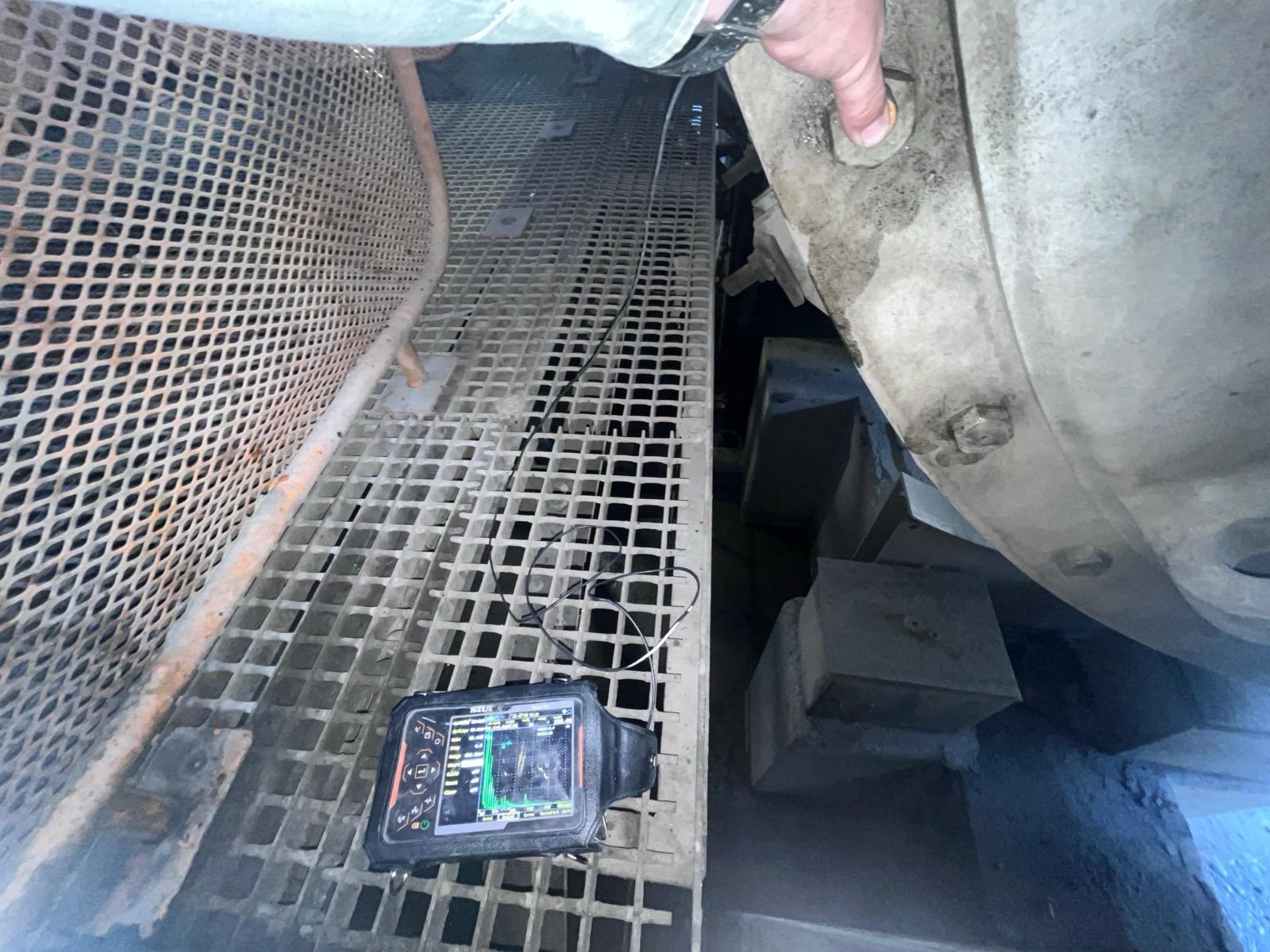
Ultrasound Inspections
Airborne and structure-borne ultrasound for compressed air leaks, electrical arcing and bearing faults before a vibration signature even develops.
How it works
Ultrasound testing listens to frequencies far above human hearing — the hiss of a compressed air leak, the crackle of electrical arcing, or the friction signature of a bearing running dry — and translates them into an audible, measurable signal on site.
VibroCon uses ultrasound as both a stand-alone inspection tool and a cross-check against vibration and thermal data: it's often the earliest indicator of a lubrication-related bearing fault, catching a defect before a vibration signature even develops, and it's the fastest way to find and quantify compressed air and gas leaks quietly inflating a plant's energy bill.
What our ultrasound inspections covers
- Compressed air and gas leak detection audits
- Electrical arcing and corona discharge detection
- Bearing defect detection before vibration signatures develop
- Bearing lubrication condition monitoring
- Steam trap and valve condition assessments
- Energy loss cost-saving surveys
Signs it's time for ultrasound inspections
Rising compressed air compressor run-hours without added demand
Bearings requiring more frequent re-greasing than expected
Electrical panels due for a non-contact safety inspection
Steam or vacuum systems with suspected leaks
Common questions about ultrasound inspections
What can ultrasound detect that vibration analysis can't?
Ultrasound is far more sensitive to the very earliest stage of bearing lubrication failure — often before a vibration signature develops at all — and it's the standard tool for finding compressed air and gas leaks.
Is ultrasound testing safe on live electrical equipment?
Yes — it's a non-contact technique, which is exactly why it's used for safe, close-range inspection of live electrical gear for arcing and corona.
How is a compressed air leak survey priced?
On the estimated air/gas volume lost and the number of inspection points — we'll quote based on your site size during a walk-down or from your P&ID.